


Chinese student demand is returning — but the way decisions are made is gradually evolving.
In 2026, one noticeable shift in the outbound student market is timing. Students and parents are taking more time to make decisions, often keeping multiple destinations under consideration while comparing options more carefully.
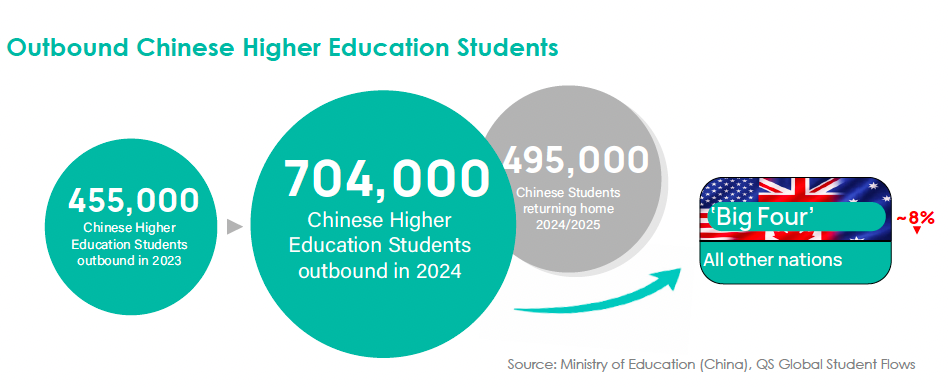
This change reflects a combination of factors that are becoming more prominent in decision-making, including affordability, employability outcomes, and overall value. Rather than committing early based primarily on brand recognition, many students are adopting a more measured approach.
As a result, the decision journey is becoming longer — and more layered.
For education providers, this brings a slightly different set of expectations.
Being shortlisted remains important, but it is increasingly about maintaining relevance over time, as students revisit and reassess their options. This highlights the importance of consistency across touchpoints, from digital presence to follow-up engagement.
It also places greater value on clarity. When decisions take longer, institutions that can communicate their value in a clear and consistent way are more likely to remain in consideration.
In this context, the focus is gradually shifting from generating initial interest to supporting confidence throughout the decision process.
This is one of several trends explored in UMS’ China Report Card 2026, which looks at how student expectations and behaviours continue to evolve.